PEOPLE RESEARCH · SURVEY DESIGN · INTERVIEW · CODESIGN
Insights from the Aisle
DURATION
6 Weeks | Sept. - Oct. 2025
ROLE
UX Researcher
TEAM
2 UX Researchers
RESEARCH QUESTION
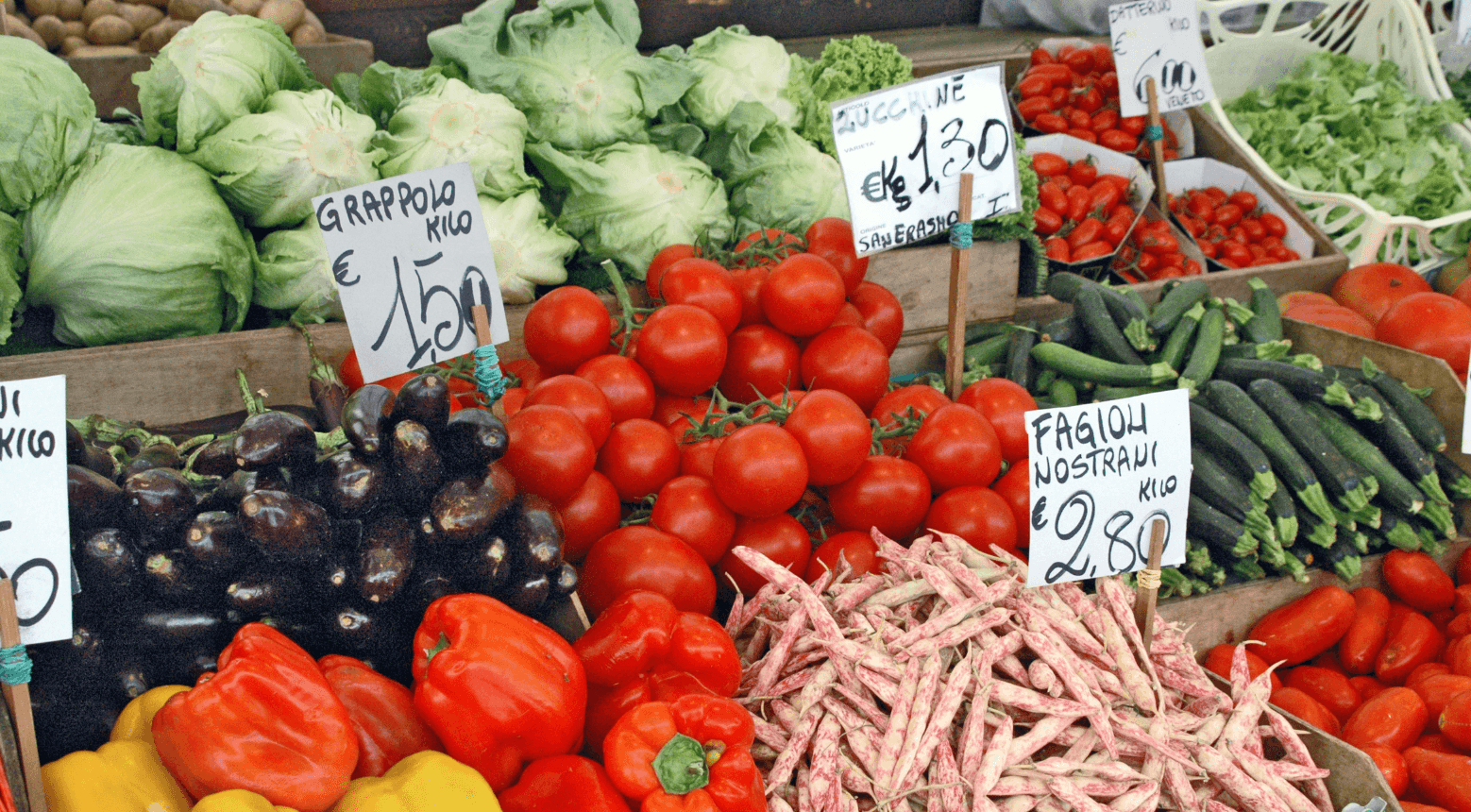
How do foreigners discover and access ingredients from their cultural background in new geographic contexts?
Ingredient Discovery Is Difficult.
Finding ingredients isn’t just a logistical task. It’s deeply connected to culture, identity, and a sense of belonging. For many foreigners, cooking familiar food is a way to stay connected to home while navigating a new environment. Understanding these struggles is essential to creating solutions that truly address their needs.
As a researcher on this academic project, I was actively involved in every stage of the research process, from discovery and data collection to synthesis and analysis.
"It's nice to go into an Indian store. It switches context. The shopkeeper addresses you in Hindi. It feels like I'm going home."
P3
"Because of the limited ingredients, I can't make lots of food from back home."
P1
HYPOTHESIS
Foreigners depend largely on community networks and word-of-mouth to locate ingredients. However, limited knowledge of the local area presents a significant barrier to access.
RESEARCH METHODS
Our Process
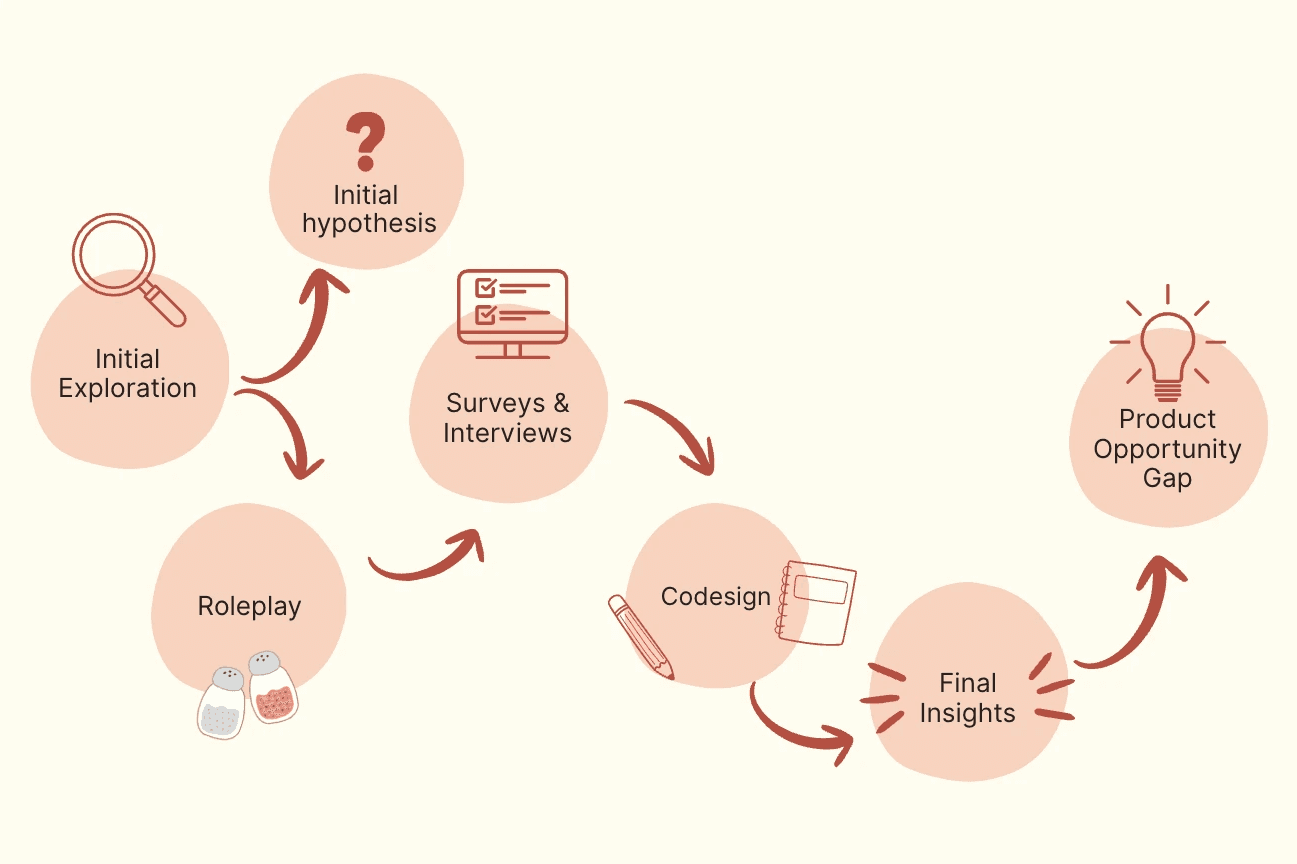
01 - ROLE PLAY
Role Playing helped us understand thought process.
One of the researchers was new to the area, so she engaged in role play to create a typical Ghanaian stew dish to gain a deeper understanding of how foreigners might navigate finding new places to shop for ingredients.
Through this activity, we were able to understand the thought process foreigners go through when meal planning. She had prior knowledge of halal meat at Costco, but because she did not know where the stores were, she relied on spices she had from back home.
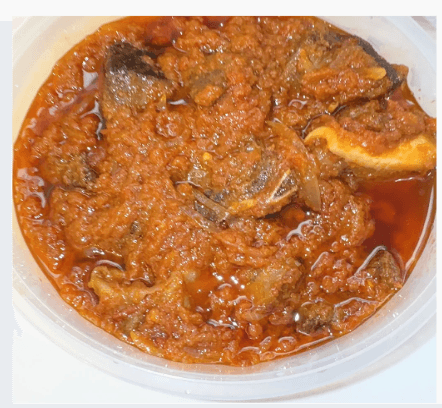
Ghanaian Stew
02 - SURVEY
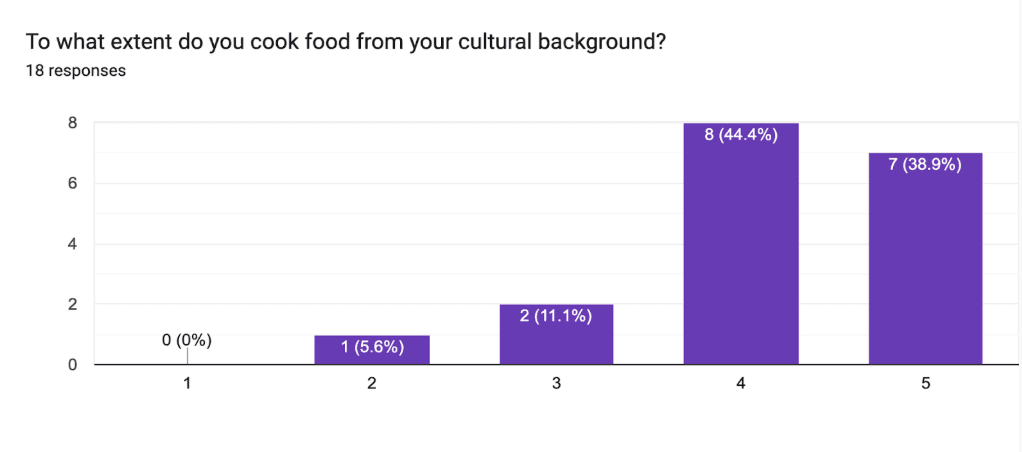
We utilized surveys as a way to recruit particpants for interviews and gather quantitative data about experience.
100% of participants cook food from their cultural backgrounds.
58% of participants shop at special grocery stores for cultural ingredients.
Survey was distributed through group chats and social circles.
Tool: Google Forms
03 - INTERVIEW
We conducted 6 interviews.
Memories of home strengthen foreigners’ motivation to cook with ingredients from their cultural cuisine and keep going back to ethnic grocery store even if product quality is poor.
Family living situations integrate newcomers into existing food networks, making it easier to find familiar ingredients.
Different contexts of packing exists for similar products across cultures.
Having a positive relationship with the shopkeeper can be advantageous by receiving knowledge of shipment delivery, helping foreigners better plan their grocery shopping for the month.
Tool: Voice Memo, Otter AI ( Transcription), Google Docs (Qualitative Coding), Miro (Affinity Mapping)
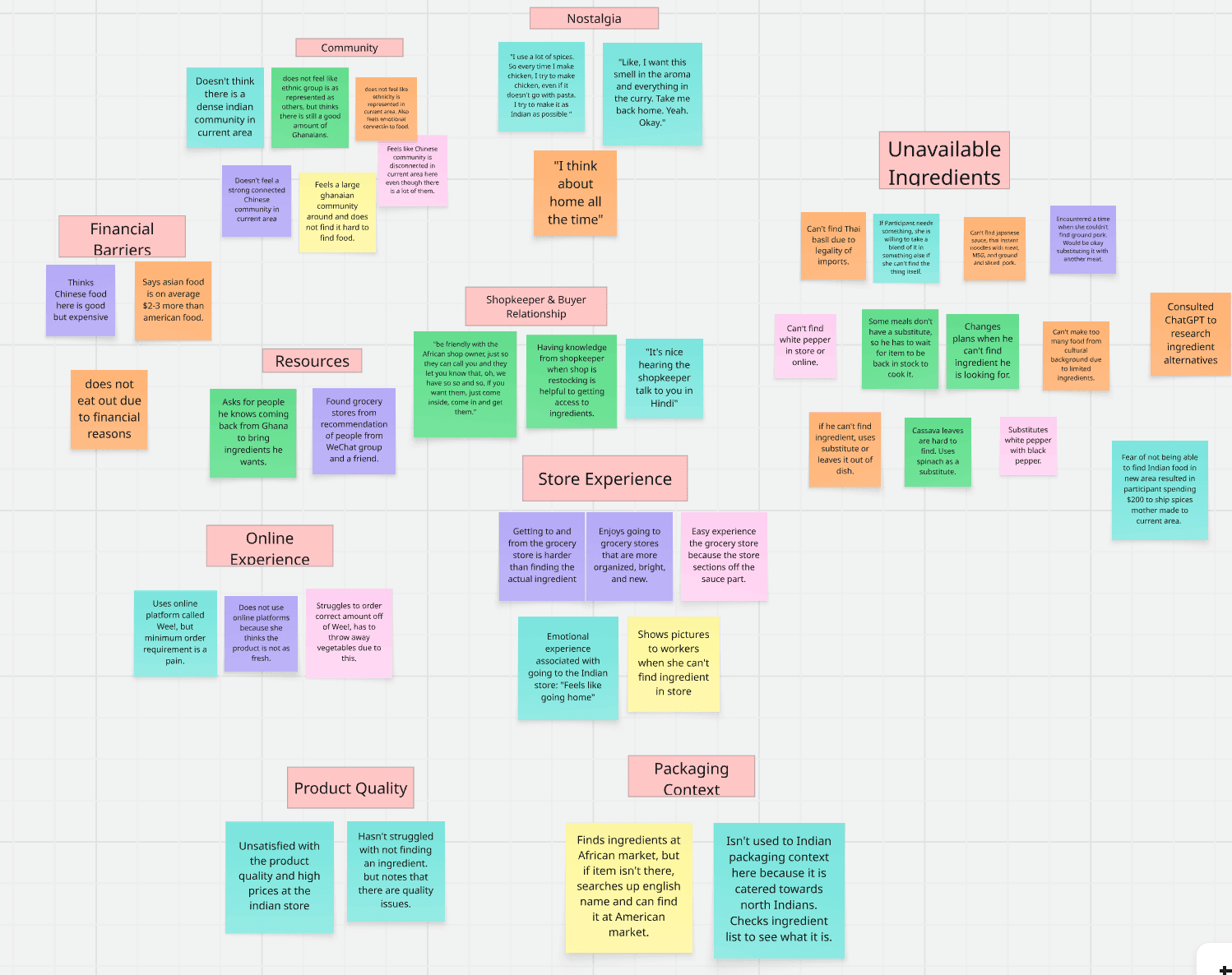
Affinity Map of Interview Data
04 - CODESIGN
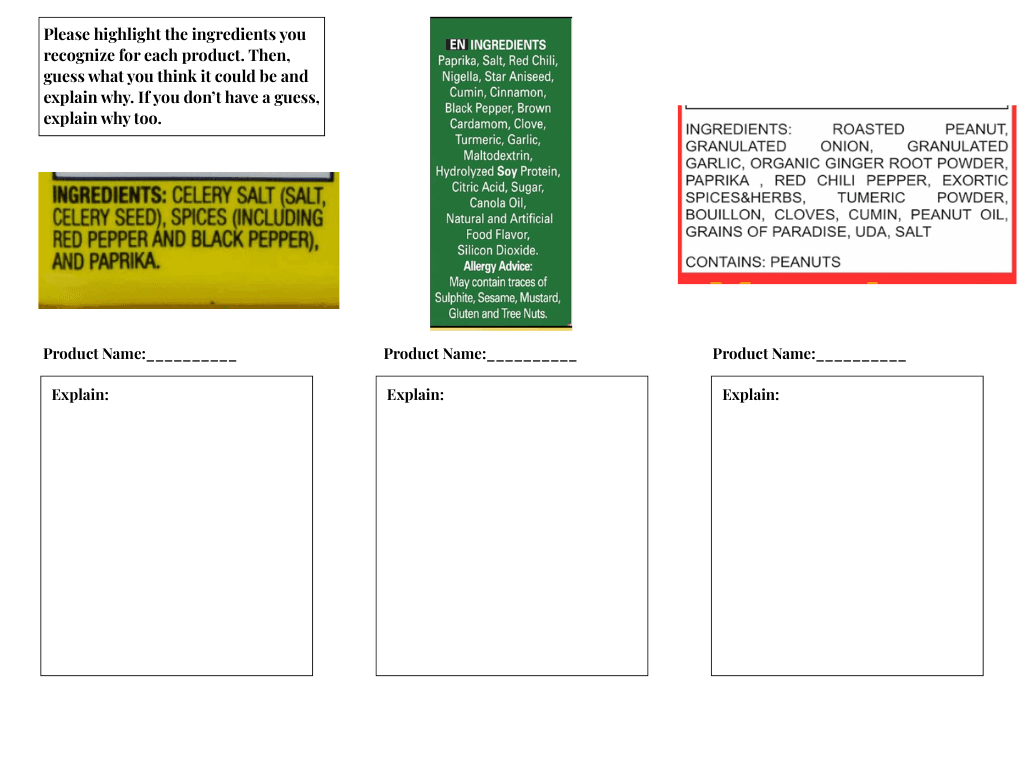
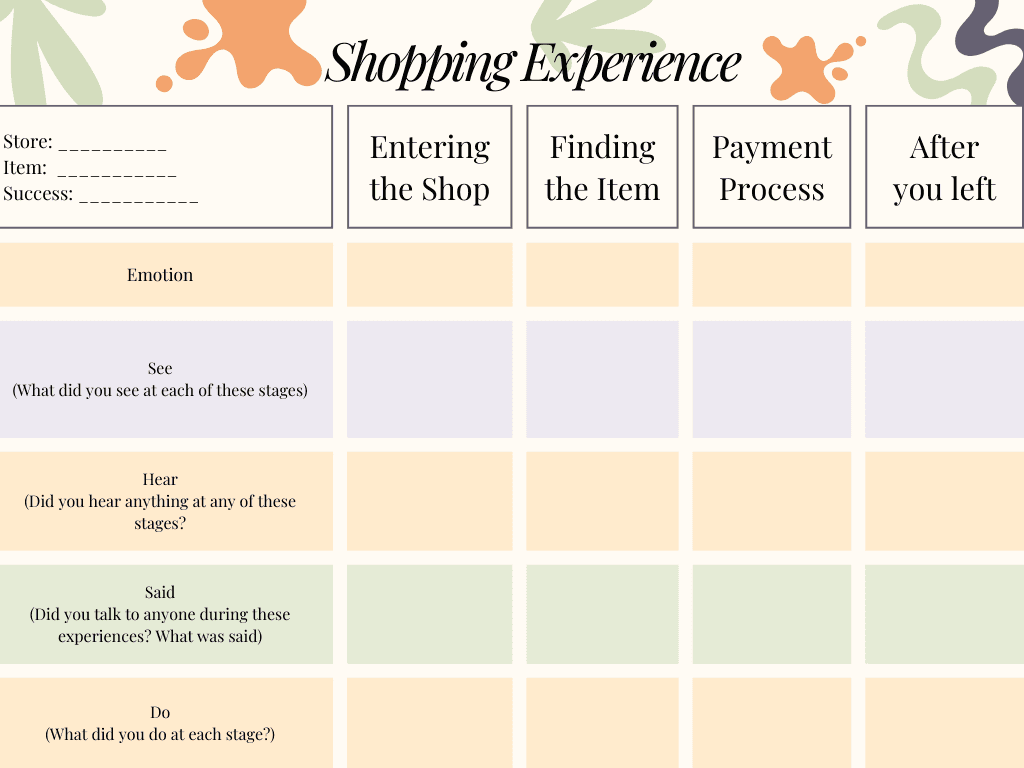
We facilitated 5 codesign sessions to understand how packaging affects ingredient knowledge and experiences in specialty grocery stores.
Lack of knowledge of brands and spices/sauce cause shoppers to be hesitant to purchase from non-specialty stores.
Shoppers don't want to waste a trip so they’d rather search for an alternative.
Shoppers shows kindness to shopkeeper despite cold response in hopes that shopkeeper will provide favors like removing credit card fee if shopper forgets cash.
Tool: Canva, Highlighters, Pens, Emotion Stickers, Activity Packet, Phone for video Recording.
FINAL INSIGHTS
What We Discovered
1
Shopkeeper-Buyer Relationships
Shopkeeper and buyer relationship influences access to ingredients because they are more likely to provide favors (i.e allowing payments with card, next shipment date etc.)
2
Store Experience & Nostalgia
The store itself can act as a connection to their home regardless of conditions like how well kept the store is, product quality, or even a negative relationship with a shopkeeper, resulting in feelings of nostalgia and serving as a reason to keep coming back to the store.
3
Packaging
Packaging can serve as a barrier to finding similar ingredients across contexts because there's a lack of translation between cultures.
Product Opportunity Gap
Our research indicates that products can exist across different contexts but, there is no streamlined tool to identify suitable matches. So, we came up with a solution criteria for a product to streamline this process.

SOLUTION CRITERIA
MUST
Translate the product into desired langauge
Show similar products from users background and from other contexts as well.
List nearby stores that carry those similar products.
SHOULD
Communicate with nearby stores to inquire if product is in stock
COULD
Reviews and recommendations for products and stores
LEARNINGS
1.
Role-Playing Reveals Hidden Insights
Actively stepping into a user’s shoes uncovers pain points, thought processes, and decision-making patterns that surveys or interviews alone might miss. Experiencing tasks firsthand highlights subtleties in behavior that inform more empathetic design.
2.
Small Observations Matter
Micro details, like hesitation, subtle workarounds, or reliance on informal cues, often reveal larger patterns and opportunities. Paying attention to these small signals can lead to meaningful design improvements.
Our research indicates that products can exist across different contexts but, there is no streamlined tool to identify suitable matches. So, we came up with a solution criteria for a product to streamline this process.
SOLUTION CRITERIA
MUST
Translate the product into desired langauge
List nearby stores that carry that product or something similiar even if it is across contexts
Show similiar products from users background as well as from other contexts
SHOULD
Communicate with nearby stores to inquire if product is in stock
COULD
Reviews and recommendations for products and stores
LEARNINGS
1.
Role-Playing Reveals Hidden Insights
Actively stepping into a user’s shoes uncovers pain points, thought processes, and decision-making patterns that surveys or interviews alone might miss. Experiencing tasks firsthand highlights subtleties in behavior that inform more empathetic design.
2.
Small Observations Matter
Micro details, like hesitation, subtle workarounds, or reliance on informal cues, often reveal larger patterns and opportunities. Paying attention to these small signals can lead to meaningful design improvements.
This page is currently being formatted for this screen size. Please view on a desktop!
This page is currently being formatted for this screen size. Please view on a desktop!
Open to New Opportunities!